Google has released a [PDF warning], detailing what it claims is the environmental impact of "delivering AI at Google scale". The study estimates that a median Gemini AI text prompt uses less energy than , and consumes "0.26 สล็อต milliliters (or about five drops) of water"—but some experts have disagreed with its findings.
Speaking to , Shaolei Ren, an associate professor of electrical and computer engineering at the University of California and one of the authors named in the study, said: "They're just hiding the critical information. This really sends the wrong message to the world."
Chief among their concerns is Google's apparent omission of indirect water use in its data. While the claim that roughly five drops—or 0.26 ml—of water is consumed per median text prompt may be true regarding data center cooling systems, it doesn't take into account the vast amount of water used by power plants providing electricity to the facilities.
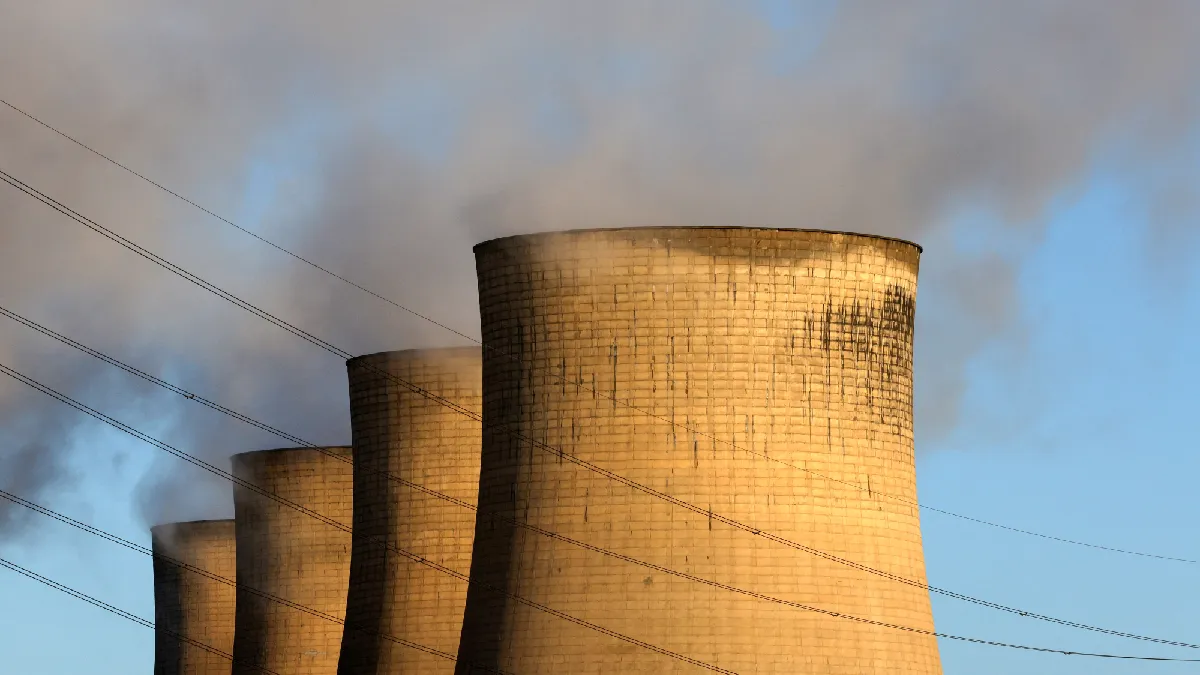
The study also doesn't factor in the cost, either in water usage or C02 production, of training the AI models in the first place. While Google has not released any assessments of these impacts, Mistral, a French AI startup, has previously reported that training its Large 2 model and consumed 281,000 cubic meters of water, equivalent to around 112 Olympic-sized swimming pools.
Speaking of carbon emissions, both Ren and Alex de Vries-Gao, another research author cited in the study, also disagree with the way renewable energy was factored into the estimates. The experts claim the paper uses a generalised, market-based measure of C02 production, rather than looking specifically at the p31 เครดิตฟรี 188 locations where Google's data centers draw their energy from.
Both argue that Google should have taken into account the specific mix of renewable and "dirty" energy supplying its facilities, rather than factoring in commitments made by power companies to support renewable energy growth on the power grid overall with a market-based metric.
Ren and de Vries-Gao also argue that their previous work referenced in the study was incorrectly represented, given that Google compared its own figures based on median prompts to their data, which was based on averages, and Google did not share figures for how it arrived at said median. The figures also don't take into account or , both of which Google's Gemini AI provides.

It's not just Google claiming tiny amounts of water consumption in its data centers, either. OpenAI CEO Sam Altman claimed earlier this year that a typical , which does seem like a relatively insignificant amount, even when you multiply it at scale to account u31.com เข้าสู่ระบบ for billions of potential prompts.
However, much like Google's claims, looking at individual metrics and using them as an indicator of AI's environmental impact overall seems to me to be an oversimplification of a very complicated issue. While efficiencies appear to be being made in regards to AI's water consumption and power usage, as soon as you factor in the , and the it's expanding into, it starts to look like much less rosy of a picture.

👉👈
1. Best gaming chair:
2. Best gaming desk:
3. Best gaming headset:
4. Best gaming keyboard:
5. Best gaming mouse:
6. Best PC controller:
7. Best steering wheel:
8. Best microphone:
9. Best webcam: