What do you get when you cross a giant global tech company with an overtly 'America-first' US administration? It looks like the answer is: Policy talk that mixes pxj เข้าสู่ระบบ a strange blend of globalisation and patriotism. Case and point, Jensen Huang's recent comments on President Trump's potential upcoming changes to chip export rules.
The Nvidia CEO tells that any new rule around exports, whatever it is, "really has to recognise that the world has changed fundamentally since the previous diffusion rule was released. We need to accelerate the diffusion of American AI technology around the world. And so the policies and the encouragement from the administration really needs to be behind that."
President Trump, however, is considering scrapping this approach and instead requiring licensing on a per-country basis—if a country wants chips, it must get a license. This would, so the argument goes, give the US more bargaining power over tariffs and enable a more fine-tuned approach to chip exports.
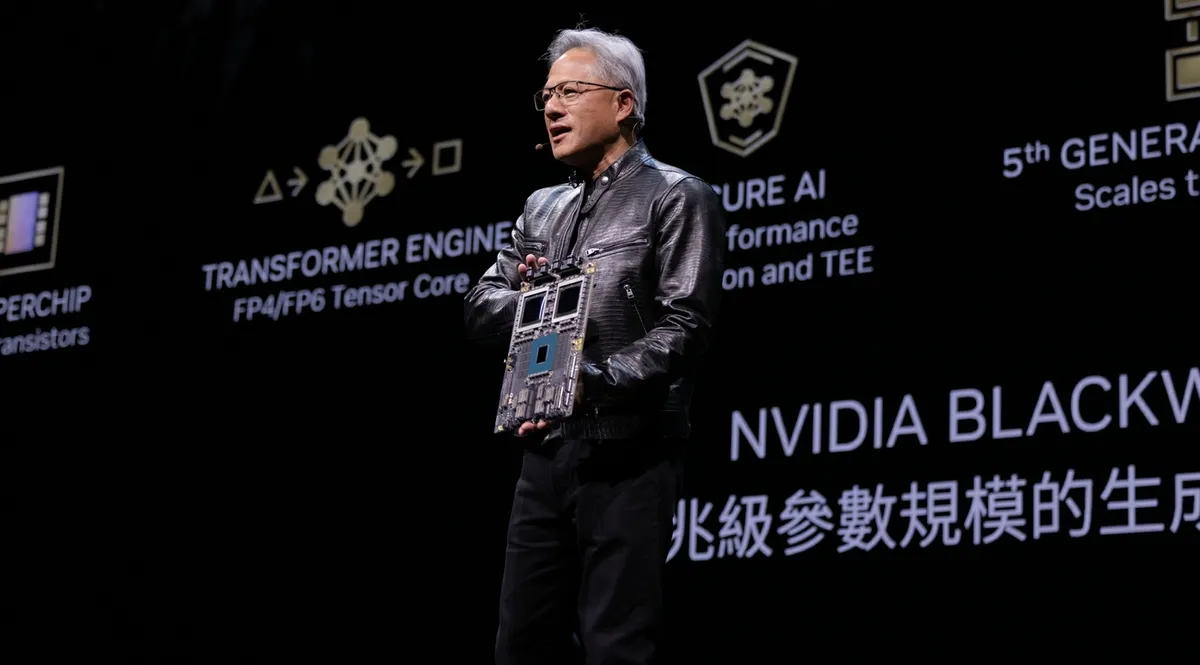
When asked about Chinese company Huawei's chips and how competitive they are to Nvidia's, Huang reiterates the importance of making more, not less: "Whatever policy the administration puts together really should enable us to accelerate the development of AI, enable us to compete on a global stage."
And as if to really hit this point home for the patriots in the room, he also reiterates the importance of being competitive in this industry against China. He says: "China is not behind... China is right behind us. We're very, very close. But remember, this is an infinite race. In the world of life there's no two-minute, end of the quarter, there's no such thing, so we're going to compete for a long time.
"Just remember that this is a country with great wealth, and they have great technical capabilities. 50% of the world's AI researchers are Chinese, and so this is an industry that we will have to compete for."
That there is somewhat of an AI arms race between China and the US I think goes without saying, but the real question is whether more or less export controls is the way to combat that. The Nvidia CEO here seems to be suggesting, even if not outright saying, that the way to remain competitive is to get its chips out there, to "accelerate the diffusion of American AI technology around the world."
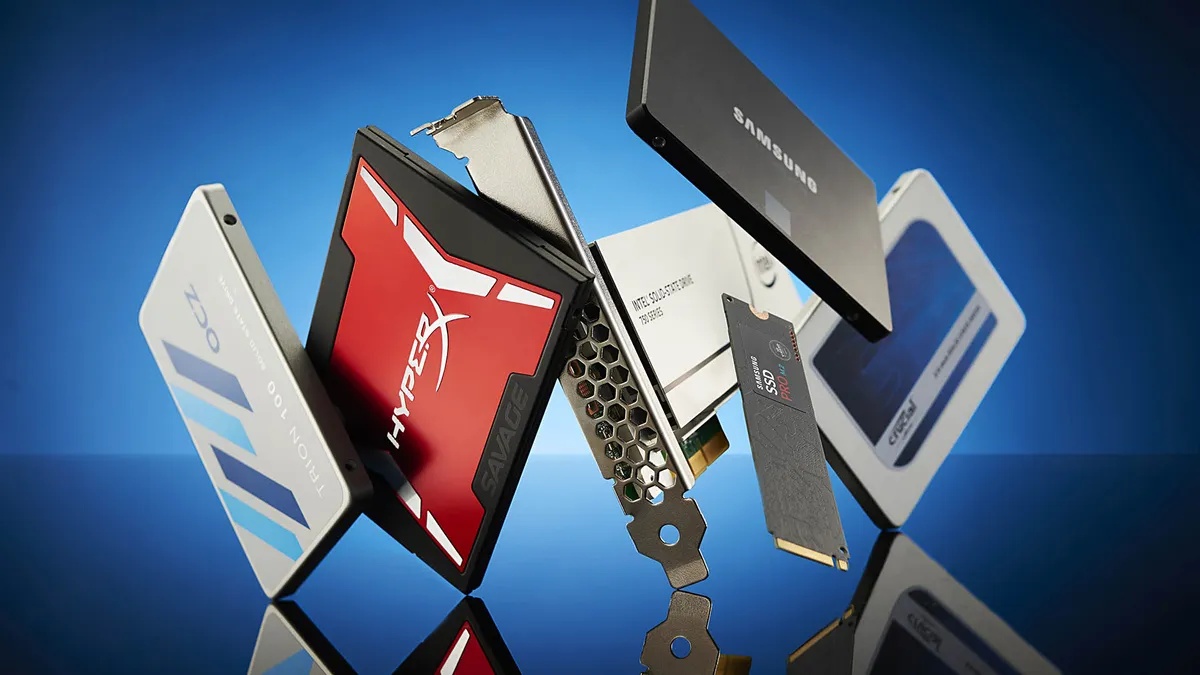
: The best speedy storage today.
: Compact M.2 drives.
: Huge capacities for less.
: Plug-in storage upgrades.
The counter-argument would be that more exports means more of a chance that AI chips will end up in China. We've already seen tons of chips that are banned from being sold to China . The counter-argument to Huang might be that freer exports would only make such occurrences more likely.
Plus, to my ears, laying so much emphasis on the American-ness of Nvidia's chips rings a little hollow. We're not dealing with Ford cars here. Remember, Nvidia doesn't physically make its own chips and most of them come out of Taiwan as TSMC-made.
And sure, TSMC is increasing its US production with a , but Taiwan is from having its best chips be made in the US. And regardless, most of its production is still coming out of Taiwan and will be for some time.
It just seems a bit of a stretch to think of Nvidia exports as an export of American manufacturing in any meaningful sense that could combat, rather winner55 ทางเข้า สล็อต than bolster, China in its race against the US for AI supremacy. But that's just one man's opinion—I'd hope the big wigs in the policy discussion rooms are entertaining a little more nuance.
It could also be an argument about profits: More exports equals more money for Nvidia equals more money for l86.com สล็อต a US company making AI chips. Perhaps it's as simple as that—I suppose things do usually boil down to money, in the end.